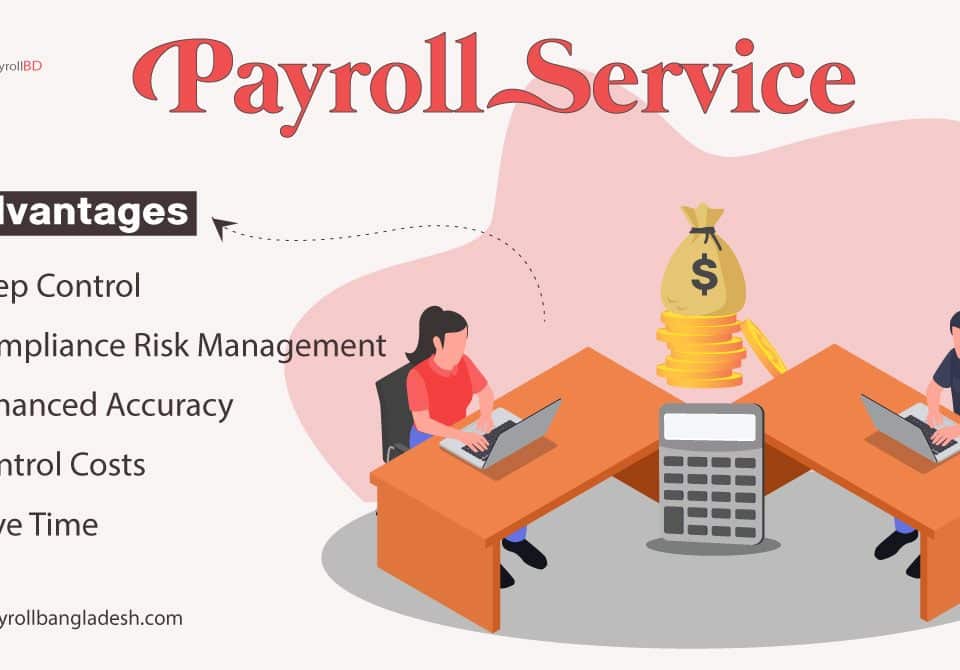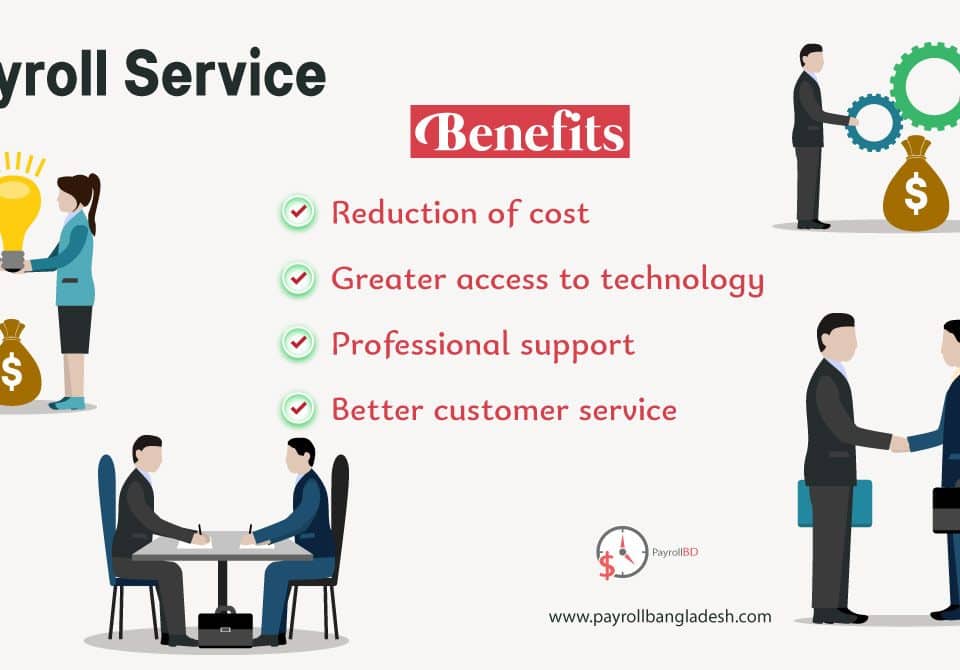


For comprehensive enterprise management, organizations often leverage payroll process outsourcing and Employer of Record (EOR) services to maintain full regulatory compliance.
Enterprise Compensation Architecture & Tax Governance
How to Build a Compliant Payroll Formation Plan for Your Enterprise
Designing an efficient, scalable, and legally sound payroll framework is a fundamental operational requirement for growing businesses in Bangladesh. Without a structured payroll formation plan, companies risk salary disbursement delays, internal equity disputes, and severe tax penalties from the National Board of Revenue (NBR). A robust payroll plan unifies basic salary allocations, statutory allowances, e-TDS tax withholdings, Provident Fund contributions, and electronic banking integrations into a seamless monthly workflow. This guide outlines the blueprint for engineering a compliant enterprise payroll plan.
The Strategic Need for a Structured Payroll Formation Framework
As enterprises scale headcount across offices, factories, and remote locations, processing payroll through ad-hoc spreadsheets introduces human error and compliance vulnerabilities.
To streamline these operational requirements, modern enterprises often rely on payroll process outsourcing for guaranteed compliance.
A payroll formation plan establishes standard operating procedures for calculating gross-to-net salary disbursements, managing biometric attendance inputs, enforcing tax deductions at source (e-TDS), and distributing payslips securely.
Under the Bangladesh Labour Act 2006, employers must pay wages within seven working days after the close of the wage period, making structured payroll execution essential.
Building an automated payroll architecture guarantees timely salary delivery, boosts employee morale, and ensures total statutory compliance.
Five Foundational Pillars of an Enterprise Payroll Plan
1. Statutory Salary Breakdown Structuring
Allocating gross salary across Basic Salary (50%), House Rent (50% of Basic), Medical Allowance, and Transport Allowance.
2. Biometric Sync & Overtime Calculation
Synchronizing daily attendance logs to automate late deductions, casual leave tracking, and 2x basic hourly overtime pay rates.
3. NBR e-TDS Tax Slab Withholding
Computing progressive income tax slabs under NBR regulations and generating monthly e-TDS tax deposit challans.
To streamline these operational requirements, modern enterprises often rely on Employer of Record (EOR) services for guaranteed compliance.
4. Provident Fund & Gratuity Accrual
Managing matching 10% Provident Fund (PF) contributions and accruing long-term gratuity liabilities under Labour Rules.
5. Electronic BEFTN Direct Bank Payouts
Generating secure bank advice files for automated BEFTN / NPSB direct salary transfers and encrypted email payslips.
Structuring Salary Components Under NBR Tax Exemption Rules
Optimizing employee tax efficiency while maintaining full legal compliance requires structuring salary components in strict accordance with the Income Tax Act 2023.
Under NBR guidelines, specific allowances enjoy statutory tax exemptions: House Rent Allowance is tax-exempt up to 50% of Basic Salary or BDT 25,000 per month (whichever is lower), while Medical Allowance is exempt up to 10% of Basic or BDT 120,000 annually.
Properly structuring these components in your payroll formation plan minimizes employee tax liability legally while protecting the employer during annual NBR tax audits.
Automating tax slab calculations within your payroll engine ensures zero miscalculation risk across executive and operational pay grades.
Labour Act Compliance: Festival Bonuses & Overtime Rates
A compliant payroll plan must incorporate statutory bonus and overtime mandates established by the Bangladesh Labour Act 2006 (and 2015 Rules).
To streamline these operational requirements, modern enterprises often rely on HR outsourcing solutions for guaranteed compliance.
Commercial enterprises must disburse two annual Festival Bonuses to employees completing consecutive service requirements (typically equivalent to one basic salary per year, divided across major religious festivals like Eid or Puja).
Additionally, overtime hours beyond the statutory 8-hour daily limit must be compensated at twice the basic hourly wage rate (Overtime Rate = [Basic Salary / 104] x 2 x OT Hours).
Integrating these formulas directly into your monthly payroll plan prevents wage disputes and guarantees smooth labor operations.
Electronic Salary Disbursement via BEFTN & NPSB Channels
Modern corporate governance in Bangladesh mandates transitioning away from cash or manual check salary disbursements toward secure electronic banking channels.
Your payroll plan should generate standardized Bangladesh Electronic Funds Transfer Network (BEFTN) or National Payment Switch Bangladesh (NPSB) bank files for bulk direct deposit uploads.
Automated electronic disbursements ensure funds reach employee accounts simultaneously while creating an unalterable audit trail for corporate tax reporting.
Manual Spreadsheet Payroll vs. Automated Payroll Formation Plan Matrix
Comparing processing speed, accuracy, and regulatory compliance between payroll management approaches:
To streamline these operational requirements, modern enterprises often rely on outsourcing HR with PEO services for guaranteed compliance.
| Payroll Feature | Manual Spreadsheet Processing | Automated Enterprise Payroll Formation Plan |
|---|---|---|
| Processing Speed & Velocity | 5 to 7 days for monthly calculation & verification. | Instant calculation executed within 2 hours. |
| e-TDS Tax Computation | High risk of tax slab errors & NBR audit penalties. | 100% accurate NBR tax slab withholding & automated challan. |
| Attendance & Overtime Sync | Manual paper register entry prone to proxy attendance. | Real-time biometric attendance sync & automated OT rates. |
| Data Confidentiality | Unencrypted Excel sheets shared across open email networks. | AES-256 cloud encryption & password-protected payslips. |
The 5-Step Enterprise Payroll Plan Implementation Roadmap
Building and deploying a compliant payroll plan follows a 5-step implementation roadmap:
Salary Component & Allowance Policy Definition
Establishing standardized gross salary breakdowns, tax-exempt allowance limits, and Provident Fund match rates.
Biometric Attendance & Leave Rules Integration
Linking biometric thumbprint/face scanners to automate leave deductions, shift differential pay, and overtime formulas.
NBR Tax Engine & e-TDS Module Setup
Configuring progressive income tax algorithms, investment rebate calculations, and monthly Form 108X tax reporting.
Pilot Test Run & Parallel Payroll Audit
Running dry-run payroll calculations alongside historical records to verify 100% formula accuracy before live execution.
Live BEFTN Disbursement & Digital Payslip Delivery
Executing electronic salary bank transfers and issuing password-protected digital payslips to employee self-service portals.
To discover how our managed payroll services streamline your enterprise compensation workflow, explore our payroll processing services in Bangladesh.
To streamline these operational requirements, modern enterprises often rely on EOR for rapid business growth for guaranteed compliance.
Case Study: FMCG Manufacturer Unifies 1,200 Employees Under 1 Payroll Formation Plan
The Challenge: An FMCG producer with 1,200 workers across 2 factory plants suffered frequent monthly salary errors, delayed festival bonuses, and NBR tax audit notices.
The Solution: Deploying Payroll Bangladesh’s automated payroll formation plan integrated biometric gates with BEFTN bank transfers, reducing payroll processing time from 6 days to 3 hours with 100% tax accuracy.
Frequently Asked Questions About Payroll Formation Plans
What is the statutory deadline for monthly salary disbursements in Bangladesh?
Under Section 123 of the Bangladesh Labour Act 2006, wages must be paid before the expiry of the seventh working day after the last day of the wage period.
How does an automated payroll plan simplify NBR monthly e-TDS tax reporting?
The system automatically calculates progressive tax slabs for each employee, generates monthly withholding reports, and compiles data required for annual NBR Form 108 filings.
Can a payroll plan handle both white-collar executives and factory workers?
Yes, modern payroll formation plans support multi-tier compensation structures, accommodating fixed monthly salaries for executives and hourly shift/overtime calculations for factory personnel.
Build Your Enterprise Payroll Formation Plan Today
Automate salary processing, eliminate tax compliance risks, and ensure 100% Labour Act compliance.