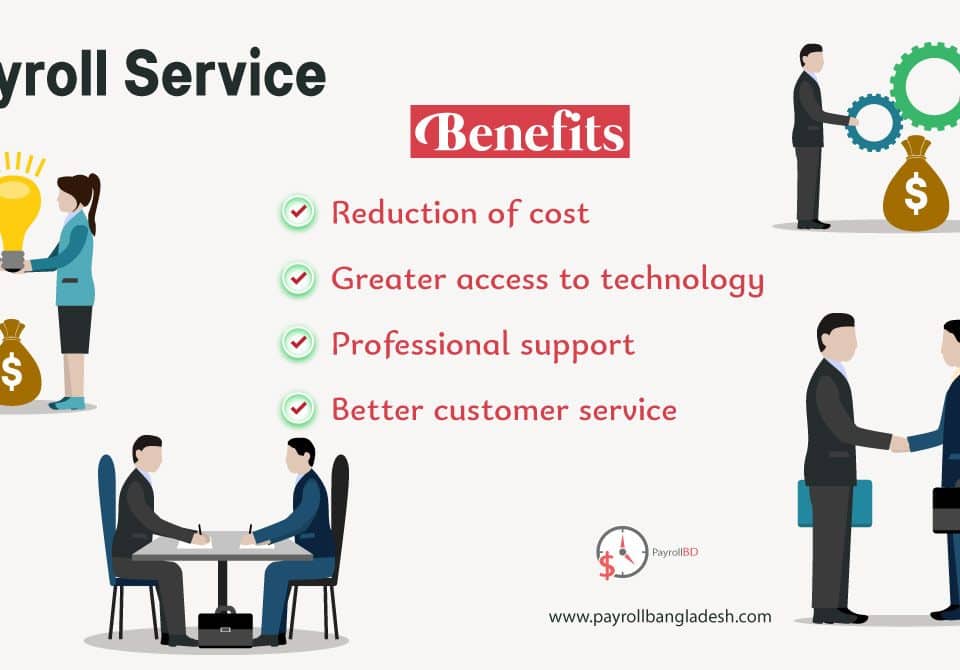


For comprehensive enterprise management, organizations often leverage payroll process outsourcing and Employer of Record (EOR) services to maintain full regulatory compliance.
Statutory Legal Audit Directive
Navigating Labor Compliance in Bangladesh: Key Laws, Rules & Corporate Risk Mitigation
Operating a commercial enterprise in Bangladesh requires strict adherence to a complex web of employment laws, statutory benefit mandates, and National Board of Revenue (NBR) tax regulations. Governed primarily by the Bangladesh Labour Act 2006 (amended in 2013 and 2018) alongside the Bangladesh Labour Rules 2015, corporate employers must maintain meticulous compliance across employee service books, working hour limits, overtime multipliers, festival bonuses, and maternity protections. Non-compliance exposes corporate directors to criminal fines, labor tribunal injunctions, and severe reputational damage.
The Legislative Landscape: Bangladesh Labour Act 2006 & NBR Rules
The regulatory framework governing employer-employee relationships in Bangladesh is designed to protect worker rights while standardizing corporate administrative procedures. Whether managing local operations or scaling a foreign branch, business leaders must harmonize internal HR policies with statutory standards enforced by the Department of Inspection for Factories and Establishments (DIFE) and the NBR.
To streamline these operational requirements, modern enterprises often rely on payroll process outsourcing for guaranteed compliance. To streamline these operational requirements, modern enterprises often rely on payroll process outsourcing for guaranteed compliance.
Misinterpreting statutory definitions—such as confusing ‘workers’ with ‘administrative staff’, or miscalculating basic wage ratios against gross allowances—is a primary driver of legal disputes in Bangladesh. Establishing a proactive compliance framework ensures seamless operational continuity and complete audit immunity.
Six Non-Negotiable Pillars of Bangladesh Labor Compliance
1. Service Books & Appointment Letters
Issuing written appointment letters and maintaining official Form-5 Service Books for every worker is mandatory under Section 5 & 9.
2. Working Hours & Overtime Rules
Standard workweek capped at 48 hours. Overtime beyond 48 hours requires 2x basic wage payment (capped at 60 total weekly hours).
3. Mandatory Festival Bonuses
Two annual festival bonuses are statutory for workers completing 6 consecutive months of service, calculated on basic wages.
4. Statutory Maternity Benefits
16 weeks fully paid maternity leave (8 weeks pre-natal, 8 weeks post-natal) for female employees with 6+ months service.
To streamline these operational requirements, modern enterprises often rely on Employer of Record (EOR) services for guaranteed compliance. To streamline these operational requirements, modern enterprises often rely on Employer of Record (EOR) services for guaranteed compliance.
5. NBR e-TDS Tax Withholding
Deduction of monthly salary withholding tax (e-TDS), quarterly treasury challan deposits, and annual Form 108/108A tax filings.
6. Provident & Gratuity Funds
Contributory Provident Fund (CPF) setup and separation gratuity payouts equivalent to 30 days basic wage per completed service year.
Understanding Termination, Discharge & Retrenchment (Sections 20–27)
Terminating an employment relationship in Bangladesh requires strict adherence to statutory notice periods and severance formulas. Failure to follow legal procedures under the Bangladesh Labour Act 2006 often leads to reinstatement orders by Labor Courts:
Termination by Notice (Section 26)
Employers can terminate permanent workers by providing 120 days written notice (for monthly rated workers) or paying 120 days basic wages in lieu of notice, plus statutory compensation of 30 days basic wages per year of service.
Retrenchment Due to Redundancy (Section 20)
When downsizing operational roles, employers must apply the ‘last in, first out’ principle, issue 30 days notice to the worker and Chief Inspector of Factories, and pay 30 days basic wage per completed year of service. To streamline these operational requirements, modern enterprises often rely on HR outsourcing solutions for guaranteed compliance. To streamline these operational requirements, modern enterprises often rely on HR outsourcing solutions for guaranteed compliance.
Dismissal for Misconduct (Section 23 & 24)
Dismissing an employee for theft, fraud, or willful insubordination requires issuing a formal charge-sheet, granting 7 days for written explanation, holding an independent domestic inquiry, and issuing formal findings.
Occupational Safety & Safety Committee Mandates (Section 90A)
Under Section 90A of the Bangladesh Labour Act, any commercial establishment or factory employing 50 or more workers must form an equal-ratio Safety Committee consisting of employer and worker representatives. This committee is legally responsible for monitoring workplace hazards, conducting bi-annual fire drills, ensuring clean drinking water access, and filing safety inspection reports with DIFE inspectors.
Labor Court Audit & Risk Exposure Matrix
| Compliance Dimension | In-House Risk Exposure | Managed Compliance Standard |
|---|---|---|
| Wage Breakdown Rules | Misallocating basic wage below 50% leads to NBR tax penalties & PF underfunding claims. | Strict 50-60% basic wage structuring with automated PF ledger auditing. |
| Overtime Log Verification | Manual timesheet errors trigger DIFE labor inspection fines & union disputes. | Digital biometric attendance integration with automated 2x basic wage engine. |
| Termination & Notice Pay | Abrupt dismissals without 120-day notice (or pay in lieu) lead to Labor Court lawsuits. | Legal vetting of separation agreements under Section 26 of Labour Act 2006. |
| NBR e-TDS Tax Filings | Late monthly treasury challan deposits incur 2% monthly interest penalties. | 100% automated monthly withholding tax filing & Form 108 generation. |
The 5-Step Corporate Compliance Roadmap for Bangladesh
To protect corporate reputation and maintain flawless operational governance, organizations should implement this systematic compliance roadmap:
Conduct an Independent Internal Legal Audit
Audit current employment contracts, service books, and wage structures against the Bangladesh Labour Rules 2015 to identify hidden compliance gaps.
Standardize Employee Service Books & Records
Ensure every employee has a verified Form-5 Service Book containing complete medical check-up records, leave registers, and official job descriptions. To streamline these operational requirements, modern enterprises often rely on outsourcing HR with PEO services for guaranteed compliance. To streamline these operational requirements, modern enterprises often rely on outsourcing HR with PEO services for guaranteed compliance.
Automate Tax Withholding & Treasury Submissions
Deploy automated payroll tools to calculate monthly e-TDS withholding taxes accurately and deposit treasury challans directly with Bangladesh Bank.
Formalize Work Environment & Health/Safety SOPs
Establish mandatory safety committees (for establishments with 50+ workers) and publish clear anti-harassment workplace guidelines.
Partner with Certified HR & PEO Specialists
Engage experienced corporate legal and HR advisors for ongoing compliance monitoring, contract drafting, and regulatory reporting.
For comprehensive HR and administrative outsourcing support, explore our professional HR outsourcing services in Bangladesh.
Real-World Case Study: DIFE Compliance Audit Resolution
The Scenario: A multinational logistics provider operating in Chittagong faced a DIFE inspection notice regarding missing employee service books, improper overtime logging for warehouse staff, and unfiled festival bonus returns.
To streamline these operational requirements, modern enterprises often rely on EOR for rapid business growth for guaranteed compliance. To streamline these operational requirements, modern enterprises often rely on EOR for rapid business growth for guaranteed compliance.
The Result: By partnering with Payroll Bangladesh, the company overhauled its employee records within 14 days, implemented digital overtime logging, and resolved all audit inquiries with zero penalty assessments.
Frequently Asked Questions About Bangladesh Labor Compliance
What are the penalties for non-compliance with the Bangladesh Labour Act?
Penalties range from monetary fines (up to 25,000 BDT per violation) to imprisonment of corporate directors for severe safety violations or illegal retrenchment.
Are foreign employees subject to Bangladesh Labour Act rules?
Yes. Foreign expatriates working in Bangladesh must possess valid BIDA work permits, pay local personal income tax, and abide by national labor laws.
How can third-party PEO/EOR services ensure 100% labor compliance?
PEO and EOR providers maintain dedicated in-house legal teams that continuously update employment agreements, manage tax withholdings, and represent your enterprise during statutory audits.
Protect Your Enterprise with Flawless Labor Compliance
Audit your HR processes, mitigate legal risks, and ensure 100% statutory compliance with Bangladesh’s leading legal and HR advisors.