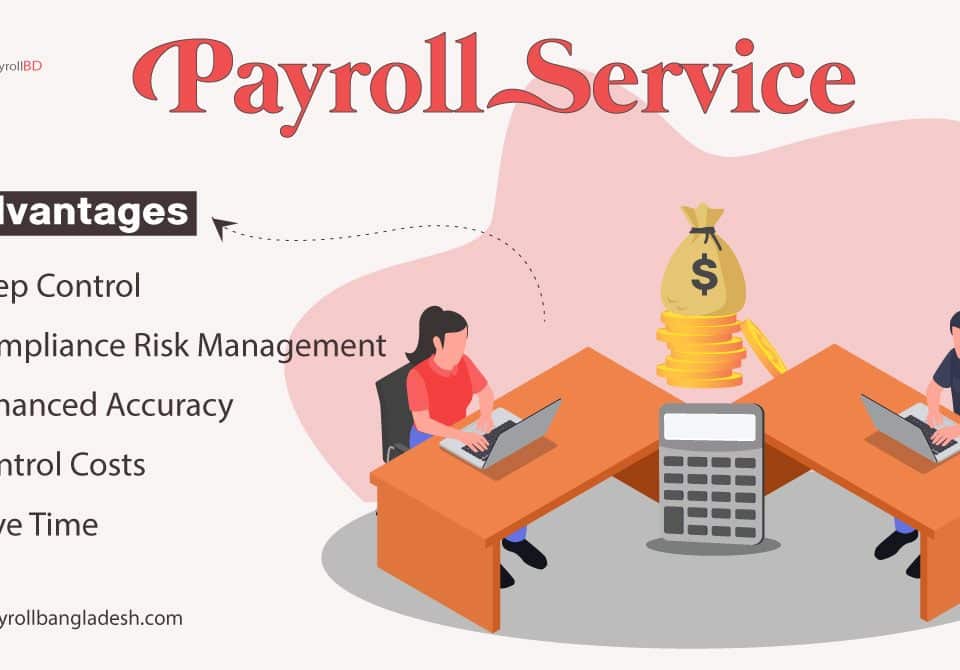


Payroll services are outsourced to a third party when internal teams cannot manage accuracy, compliance, scalability, costs, or time demands effectively as businesses grow rapidly.
As organizations expand, payroll tasks often become more complex and time-consuming. Managing salaries, taxes, and statutory requirements internally can strain limited resources and increase the risk of errors. To maintain consistency and compliance, many businesses turn to third-party payroll providers. Outsourcing simplifies processes, reduces administrative burden, and ensures employees are paid accurately and on time, allowing companies to focus on day-to-day operations and long-term growth.
Definition of Payroll Service
Payroll service is the process of managing employee compensation, including calculating salaries, distributing wages, processing tax deductions, and making statutory contributions. It ensures employees are paid accurately and on time while meeting legal and organizational requirements.
A payroll service also handles compliance with labor laws, tax filing deadlines, payslip generation, and payroll reporting. Businesses use payroll services to reduce administrative workload, minimize errors, protect sensitive employee data, and maintain consistent payroll operations across different workforce structures.
Key Components are Payroll Service
Key components of a payroll service include several essential functions that ensure accurate, compliant, and timely employee compensation. These components support smooth payroll operations for businesses of all sizes. Here are key components:
- Employee Salary Calculation
- Tax Deduction and Filing
- Payslip Generation
- Statutory Compliance
- Payroll Processing Schedule
- Employee Data Management
- Reporting and Documentation
- Data Security and Confidentiality
Is Really Third-Party Payroll Service Good Choice?
A third-party payroll service can be a good choice for businesses that want accuracy, compliance, and efficiency without managing payroll internally. It reduces administrative pressure and ensures salaries, taxes, and statutory deductions are handled professionally.
Outsourcing payroll also helps minimize errors and compliance risks. Experienced providers stay up to date on evolving labor laws and tax regulations, ensuring timely filings and accurate reporting. This consistency builds employee trust and protects businesses from penalties.
Additionally, third-party payroll services allow management to focus on core operations. By saving time, controlling costs, and enhancing data security, businesses achieve a more streamlined, reliable payroll process that supports long-term growth.
When Is The Payroll Service Outsourced To A Third Party?
Payroll management decisions are often influenced by operational complexity, compliance responsibility, and internal capability limitations. As businesses grow, accuracy, data security, and efficiency become critical factors.
1. Growing Operational Workload
As organizations expand, payroll responsibilities increase in volume and complexity, placing pressure on internal teams to manage calculations, documentation, and reporting accurately within limited time and resource constraints.
Manual processes and limited payroll expertise often slow operations, increase dependency on key staff, and create challenges in maintaining consistent payroll accuracy alongside daily finance and human resource activities.
2. Business Conditions That Influence Payroll Decisions
- Increasing workforce size adds complexity to salary calculations and payroll record management.
- Regulatory updates require continuous monitoring and accurate application in payroll processing.
- Internal payroll errors are beginning to impact employee confidence and operational credibility.
- Management prioritizes efficiency by reducing repetitive administrative payroll responsibilities.
3. Compliance and Process Reliability Needs
Professional payroll handling improves consistency, accuracy, and reporting structure, ensuring statutory obligations are managed efficiently without overwhelming internal teams or significantly increasing compliance-related operational pressure.
Reliable payroll processes also strengthen documentation quality, improve deadline management, and support smoother coordination between HR, finance, and leadership across structured organizational workflows.
4. Strategic Focus and Long-Term Stability
Organizations seeking sustainable growth evaluate payroll management approaches that support accuracy, efficiency, and governance without increasing internal staffing costs or operational complexity over time.
Streamlined payroll handling strengthens financial control, enhances employee trust, and supports long-term operational readiness across diverse business structures and evolving regulatory environments.
5. Risk Management and System Efficiency Factors
- Standardized payroll systems significantly reduce calculation errors and manual processing dependencies.
- Structured compliance management supports accurate tax filings and the handling of statutory contributions.
- Secure payroll platforms protect sensitive employee information and confidential financial data.
- Scalable payroll processes adjust easily to workforce growth and organizational changes.
Overall, payroll services are outsourced to support accuracy, compliance, efficiency, and scalability as internal payroll demands grow. Businesses prioritize structured processes, risk reduction, and strategic focus to maintain reliable payroll operations while supporting long-term organizational stability and growth.
Difference Between In-House vs Third-Party Payroll Services
Here’s a table comparing in-house vs. third-party payroll services:
| Feature | In-House Payroll | Third-Party Payroll |
| Control | Complete control over payroll processes | Limited control follows the provider’s system |
| Cost | Lower direct cost but high resource investment | Service fees, but saves time and reduces errors |
| Expertise Required | Requires internal HR/accounting knowledge | Handled by experienced payroll professionals |
| Compliance | Risk of mistakes and penalties | Ensures tax and labor law compliance |
| Time Investment | High – staff manage all payroll tasks | Low – provider handles processing and reporting |
| Scalability | Difficult to scale quickly | Easily scales with business growth |
Sum up
Payroll services play an important role in keeping business operations running smoothly and employees satisfied. As payroll tasks grow in size and complexity, managing them accurately becomes more challenging for internal teams. A reliable payroll process helps avoid errors, delays, and compliance issues.
Using structured payroll services helps businesses maintain accuracy, protect employee information, and manage regulatory compliance with confidence. With fewer administrative distractions, organizations can focus on growth, efficiency, and long-term stability while ensuring timely and correct salary management.
Frequently Asked Questions
Why do companies use third-party payroll services?
Companies use third-party payroll services to save time, reduce errors, ensure tax compliance, and focus more on core business operations. Outsourcing offers professional expertise and scalability.
How much does a payroll service cost?
Payroll service costs vary based on employee headcount, included services, and provider rates. Many providers offer flexible plans, including per-employee or flat monthly pricing.
Can payroll services handle taxes and legal compliance?
Yes, professional payroll providers manage payroll taxes, filing deadlines, and compliance with local labor laws, reducing penalties and operational risks for businesses.
Can payroll services handle multi-country employees?
Yes, international payroll services can manage salaries, taxes, and compliance for employees across multiple countries, ensuring accuracy and reducing legal risks.