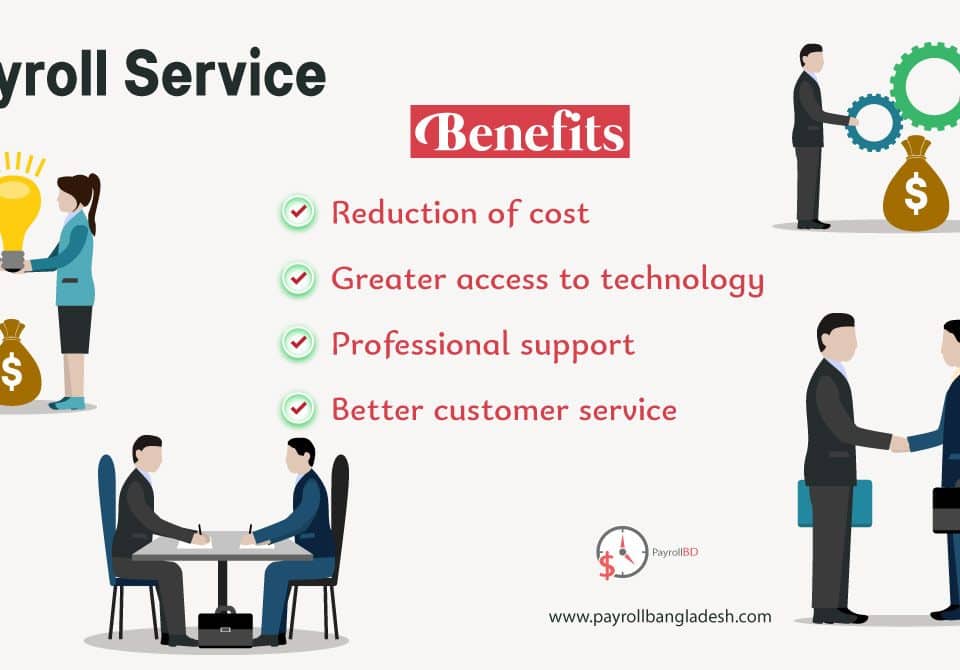


Payroll service works for a business by collecting employee data, calculating salaries, managing taxes and deductions, generating payslips, processing payments, and ensuring ongoing legal compliance.
Nowadays, payroll service plays a vital role in ensuring employees are paid accurately and on time while meeting legal and tax obligations. It manages salary calculations, deductions, payslips, payments, and compliance in a structured workflow. Understanding how payroll service works helps businesses reduce errors, maintain transparency, and focus more effectively on core operations and long-term growth.
This guide explains the complete payroll workflow—from setup to compliance—so businesses can manage payroll with confidence and efficiency.
Key Takeaways
- Payroll services manage the whole employee payment process, from data collection to salary disbursement and statutory compliance.
- It ensures accurate salary calculations, timely payments, and proper handling of taxes and deductions.
- Payroll services reduce administrative workload and minimize errors through structured workflows and automation.
- Businesses can choose between in-house and outsourced payroll based on size, complexity, and compliance needs.
- Reliable payroll management supports employee trust, financial clarity, and long-term business growth.
Definition of Payroll Service
A payroll service is a professional system or provider that manages employee compensation processes on a business’s behalf. It handles salary calculations, tax deductions, statutory contributions, payslip generation, and salary disbursement. Payroll services may be managed in-house using software or outsourced to third-party payroll providers.
The primary goal of a payroll service is to ensure accuracy, consistency, and compliance while reducing administrative workload. It transforms raw employee data into structured payroll outputs aligned with legal and financial requirements.
How Does Payroll Service Work for a Business?
Payroll service is a structured process that helps businesses manage employee compensation efficiently. It ensures salaries are calculated accurately, deductions are applied correctly, and payments are made on time. By automating payroll tasks or outsourcing them to experts, companies can reduce errors, save time, and stay compliant with labor laws and tax regulations. Understanding how payroll service works helps businesses maintain employee trust, streamline operations, and focus on growth rather than administrative burdens.
The payroll process typically involves several key steps:
- Employee Data Collection: Gathering essential information such as salary details, tax IDs, bank accounts, and employment contracts.
- Attendance and Time Tracking: Recording work hours, overtime, leave, and holidays to calculate accurate pay.
- Salary Calculation: Computing gross salary, bonuses, allowances, and overtime for each employee based on company policies.
- Tax and Deduction Management: Applying income tax, social security, pension contributions, insurance premiums, and other statutory deductions.
- Payslip Generation: Producing clear payslips that show earnings, deductions, and net salary for transparency.
- Salary Disbursement: Transferring payments directly to employee bank accounts or via other approved methods.
- Reporting and Compliance: Maintaining records for audits, generating management reports, and submitting statutory filings on time.
By following this process, payroll services reduce the risk of mistakes and ensure businesses remain compliant with government regulations. Whether handled in-house or outsourced, payroll services also provide valuable insights into labor costs, budgeting, and workforce planning.
Lastly, payroll service works as a complete system that turns employee information into precise, legally compliant payments. It saves time, minimizes errors, supports financial planning, and strengthens employee satisfaction—all critical for smooth business operations and sustainable growth.
In-House Payroll vs Outsourced Payroll Services: Difference
In-house payroll is managed internally and requires staff and software, while outsourced payroll is handled by experts, offering accuracy, compliance, time savings, and scalability for growing businesses.
Here are some key differences:
| Aspect | In-House Payroll | Outsourced Payroll Services |
| Management | Handled internally by company staff | Managed by external payroll experts |
| Cost Structure | Fixed costs for staff and software | Flexible service-based pricing |
| Compliance Handling | Requires constant legal updates | Compliance managed by specialists |
| Accuracy Risk | Higher risk due to manual processes | Lower risk with automated systems |
| Time Investment | Time-consuming for internal teams | Saves significant management time |
| Technology | Depends on internal payroll software | Uses advanced payroll platforms |
| Data Security | Managed internally with limited controls | Professional-grade security standards |
Why Payroll Services Matter for Business Growth?
Payroll services support business growth by ensuring employees are paid accurately and on time, thereby building trust, improving morale, and strengthening long-term workforce stability across all levels of the organization.
By automating calculations, tax filings, and compliance tasks, payroll services reduce administrative burden and errors. We help management to focus on strategic planning, cost control, and efficient scaling of operations.
Accurate payroll data also supports budgeting, forecasting, and decision-making. With reliable financial records and compliance assurance, businesses can expand confidently, avoid penalties, and maintain a strong professional reputation.
Sum Up
Payroll services are more than just a method of paying employees—they are a backbone for accurate financial management, compliance, and operational efficiency. By handling calculations, deductions, tax filings, and reporting, payroll services help businesses avoid errors, legal risks, and administrative delays.
Choosing the right approach, whether in-house or outsourced, ensures smooth operations, employee satisfaction, and informed decision-making. Ultimately, a reliable payroll system supports business growth, strengthens workforce trust, and allows companies to focus on strategic goals without payroll-related distractions.
Frequently Asked Questions
Ans: Yes, businesses can outsource payroll to third-party providers that handle calculations, tax filings, and compliance, saving time and minimizing legal risk.
Ans: Payroll services reduce administrative work, prevent errors, ensure timely payments, maintain tax compliance, and provide detailed records for budgeting and workforce management.
Ans: Payroll services automatically calculate and deduct income tax, social security contributions, and other statutory obligations, and submit required filings to government authorities on time.
Ans: Yes! Payroll services help small businesses save time, reduce errors, maintain compliance, and focus on growth without hiring dedicated payroll staff.