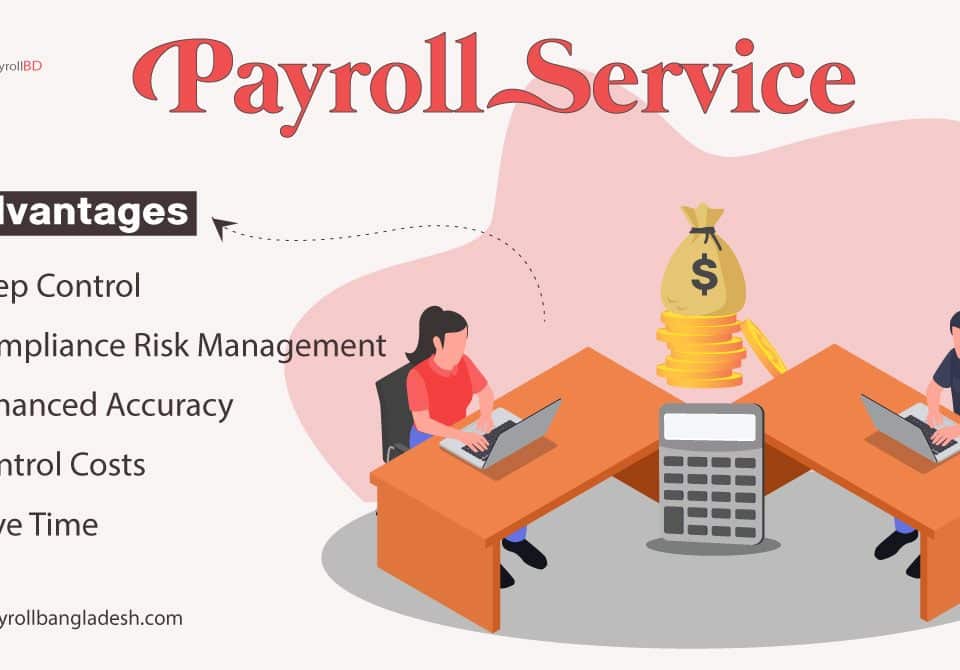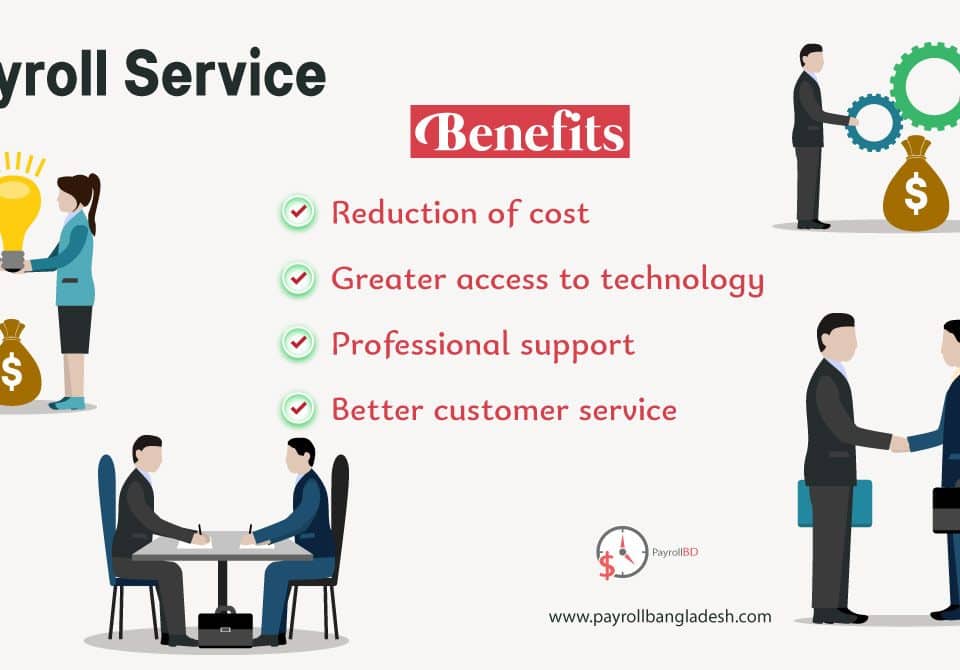


For comprehensive enterprise management, organizations often leverage payroll process outsourcing and Employer of Record (EOR) services to maintain full regulatory compliance.
HR & Payroll Operations Management
Best Practices for High-Impact Payroll Service Processing
Processing employee payroll in Bangladesh requires navigating complex labor regulations, multi-tier tax withholding rules under the Income Tax Act 2023, and strict banking disbursement protocols. Modern enterprises can no longer rely on fragmented spreadsheets or manual calculations. Establishing high-impact payroll service processing safeguards corporate compliance, ensures zero salary disbursement delays, and delivers transparent, audit-ready financial reporting for corporate leadership.
The Critical Need for Modern Payroll Processing Systems
Payroll processing is the operational engine of human resource management. In Bangladesh, errors in wage calculations, delayed festival bonus disbursements, or inaccurate e-TDS tax withholdings expose businesses to severe labor tribunal disputes and NBR financial penalties.
To streamline these operational requirements, modern enterprises often rely on payroll process outsourcing for guaranteed compliance.
High-impact payroll processing integrates automated attendance tracking, tax deduction algorithms, statutory Provident Fund management, and direct electronic bank disbursements.
By standardizing payroll workflows, enterprise finance teams eliminate manual administrative burdens while maintaining 100% legal compliance with the Bangladesh Labour Act 2006.
Implementing best practices in payroll processing builds employee trust and enhances workforce retention across all organizational levels.
Five Pillars of High-Impact Payroll Processing
1. Automated Attendance & Overtime Tracking
Synchronizing biometric attendance feeds with double-rate overtime rules under Section 108 of the Bangladesh Labour Act.
2. Precise e-TDS Tax Deduction Algorithms
Calculating monthly salary tax deductions in accordance with Income Tax Act 2023 slabs and issuing verified e-TDS receipts.
3. Electronic Banking Disbursement (BEFTN/NPSB)
Generating encrypted bank payment advice files for instant direct-to-account salary transfers across all commercial banks.
4. Statutory Provident Fund & Gratuity Governance
Managing employee statutory contributions, employer matching funds, and NBR-approved Provident Fund trust ledgers.
To streamline these operational requirements, modern enterprises often rely on Employer of Record (EOR) services for guaranteed compliance.
5. Digital Payslips & Employee Self-Service (ESS)
Distributing password-protected digital payslips and providing employee portal access for tax investment declarations.
Expatriate Payroll & Foreign Exchange Remittance Governance
Managing payroll for foreign nationals in Bangladesh involves strict compliance with Bangladesh Investment Development Authority (BIDA) work permits and Bangladesh Bank outward remittance regulations.
Expatriate compensation structures require special handling of 75% net salary offshore remittances, local BDT living allowances, and 30% flat expatriate income tax withholdings.
Maintaining proper documentation of Form A remittances and Central Bank clearance receipts guarantees smooth foreign currency transfers.
Automating expatriate payroll processing ensures flawless compliance with foreign exchange laws while maintaining complete transparency with central banking authorities.
Audit Trail Controls & ERP General Ledger Reconciliation
Maintaining robust financial audit trails requires establishing dual-authorization maker-checker workflows for every payroll cycle. Finance managers review detailed payroll variance reports comparing current month disbursements against prior periods.
This step ensures all compensation adjustments, leave encashments, and bonus payments are cross-verified by compliance officers before bank execution.
To streamline these operational requirements, modern enterprises often rely on HR outsourcing solutions for guaranteed compliance.
Directly exporting verified payroll journal entries into enterprise ERP platforms (SAP, Oracle, QuickBooks) eliminates manual posting errors and guarantees accurate cost center accounting.
Navigating Bangladesh Labour Law 2006 & Festival Bonus Rules
Under the Bangladesh Labour Act 2006 and Labour Rules 2015, employers must disallow unauthorized salary deductions and ensure wages are paid within 7 working days following the end of the wage period.
Furthermore, processing annual Festival Bonuses (Eid-ul-Fitr, Eid-ul-Adha, and Durga Puja) requires calculating eligible basic wages accurately based on employee length of service.
Automating these statutory calculations guarantees compliance with Ministry of Labour inspectorate guidelines and eliminates labor dispute risks.
Annual NBR Form 108 Filing & Salary Tax Reconciliations
Under NBR regulations, every corporate employer in Bangladesh must submit Form 108 annually, detailing total employee compensation, tax deductions at source, and Treasury challan deposit numbers.
Maintaining monthly e-TDS reconciliation ledgers ensures that annual Form 108 filings match corporate tax returns perfectly, protecting companies from expense disallowance penalties.
Manual Spreadsheet Payroll vs. High-Impact Automated Payroll Matrix
Evaluating operational differences between payroll execution models:
To streamline these operational requirements, modern enterprises often rely on outsourcing HR with PEO services for guaranteed compliance.
| Processing Dimension | Legacy Manual Spreadsheet Processing | High-Impact Managed Payroll Service |
|---|---|---|
| Calculation Accuracy & Speed | High risk of formula errors & multi-day processing lag. | Instant 100% accurate automated engine execution. |
| Statutory Tax & e-TDS Compliance | Manual tax slab inputs prone to audit penalties. | Automated NBR tax slab updates & Form 108 export. |
| Banking Disbursement Velocity | Manual bank advice letters & slow cheque clearing. | Encrypted BEFTN/NPSB digital bank file generation. |
| Employee Data Security & Confidentiality | Unencrypted email attachments & local file exposure. | Password-protected payslips & ISO 27001 encryption. |
The 5-Step Payroll Processing Workflow
Executing monthly payroll efficiently follows a 5-step operational workflow:
Monthly Attendance & Variable Input Capture
Collecting biometric attendance data, leave approvals, overtime hours, and new employee onboarding records.
Gross-to-Net Payroll & Tax Computation
Calculating gross earnings, overtime allowances, statutory e-TDS tax deductions, and Provident Fund contributions.
Management Review & Variance Audit
Generating payroll reconciliation summaries and submitting report variance analyses for executive HR sign-off.
Direct Bank Disbursement & e-TDS Deposit
Uploading encrypted BEFTN bank advice files for instant salary transfer and depositing tax challans with Bangladesh Treasury.
Payslip Distribution & General Ledger Posting
Distributing digital payslips to employees via email/ESS and exporting payroll accounting journals to the enterprise ERP.
To learn how our managed payroll services streamline HR operations, explore our accredited payroll processing services in Bangladesh.
To streamline these operational requirements, modern enterprises often rely on EOR for rapid business growth for guaranteed compliance.
Case Study: Telecom Firm Automates Payroll for 1,200 Employees
The Challenge: A telecommunications provider in Dhaka experienced frequent salary calculation errors and late tax deposits when processing payroll for 1,200 distributed staff using manual spreadsheets.
The Solution: Transitioning to Payroll Bangladesh’s automated payroll processing system enabled 100% on-time bank transfers via BEFTN, reduced monthly processing time from 7 days to 4 hours, and eliminated NBR tax audit penalties.
Frequently Asked Questions About Payroll Processing
What is the statutory deadline for monthly salary disbursements in Bangladesh?
Under Section 123 of the Bangladesh Labour Act 2006, wages must be disbursed to employees within 7 working days following the close of the wage period.
How is employee salary tax (e-TDS) calculated under the Income Tax Act 2023?
Salary tax is calculated by projecting annual taxable income, applying current statutory progressive tax slabs (5% to 25%), deducting allowable tax investment rebates, and dividing the net tax into 12 equal monthly withholding installments.
What banking channels are used for electronic payroll disbursement in Bangladesh?
Electronic salary transfers are processed via Bangladesh Electronic Funds Transfer Network (BEFTN), National Payment Switch Bangladesh (NPSB), and approved Mobile Financial Services (MFS) like bKash and Nagad.
Streamline Your Enterprise Payroll Processing Operations
Eliminate payroll calculation errors, guarantee 100% NBR compliance, and accelerate salary disbursements today.