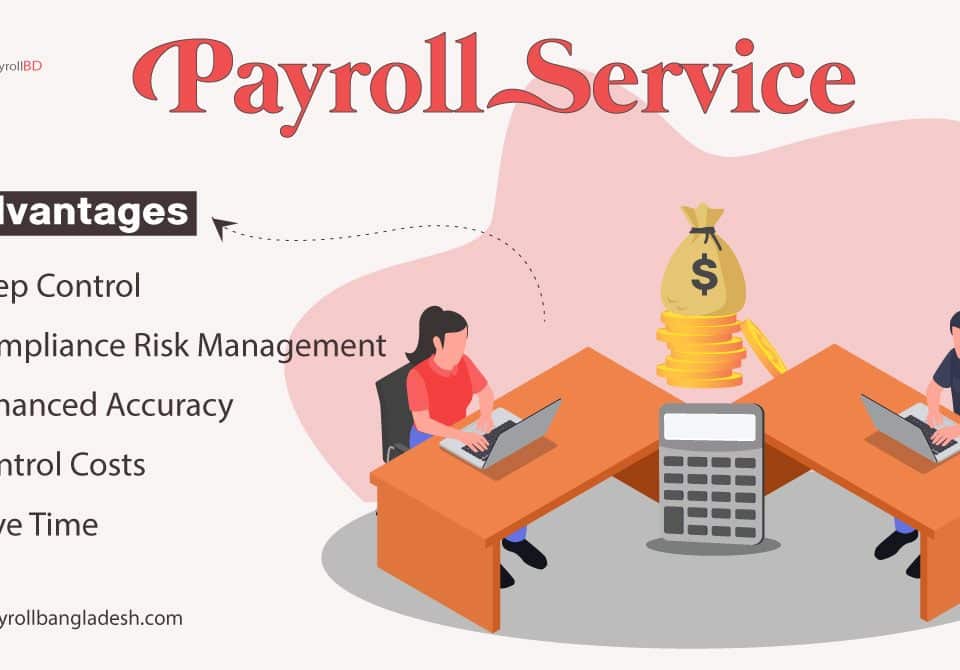


For comprehensive enterprise management, organizations often leverage payroll process outsourcing and Employer of Record (EOR) services to maintain full regulatory compliance.
Corporate Law & Entity Advisory
Essential Guidelines for Entity & Company Registration in Bangladesh
Establishing a commercial business entity in Bangladesh offers foreign investors and local entrepreneurs access to one of Asia’s fastest-growing economies. However, incorporating a Private Limited Company involves navigating rigorous statutory procedures overseen by the Registrar of Joint Stock Companies and Firms (RJSC), National Board of Revenue (NBR), and Bangladesh Investment Development Authority (BIDA). Understanding the step-by-step registration workflow—or utilizing an Employer of Record (EOR) to bypass entity setup entirely—is vital for executing a successful market entry strategy.
The Foundations of Foreign & Local Company Incorporation
Under the Companies Act 1994, foreign companies can register a 100% foreign-owned subsidiary, a joint venture (JV) entity, or a local Branch/Liaison Office in Bangladesh.
To streamline these operational requirements, modern enterprises often rely on payroll process outsourcing for guaranteed compliance.
While Bangladesh permits full foreign equity ownership in most commercial sectors, corporate setup requires satisfying mandatory legal prerequisites, such as minimum authorized capital reserves, local bank encashment certificates, and physical registered office leases.
Failing to adhere to statutory RJSC filing formats or NBR tax documentation can result in prolonged registration delays and rejected applications.
Five Key Milestones of Company Incorporation in Bangladesh
1. RJSC Name Clearance & Reservation
Applying online via the RJSC portal to secure an approved, unique company name certificate valid for 180 days.
2. Drafting MoA & AoA Articles
Formulating the Memorandum of Association (MoA) and Articles of Association (AoA) outlining corporate objectives and shareholding.
3. Paid-Up Capital Bank Encashment
Opening a temporary Bangladeshi bank account to remit share capital equity and obtain an official Bank Encashment Certificate.
To streamline these operational requirements, modern enterprises often rely on Employer of Record (EOR) services for guaranteed compliance.
4. Issuance of Certificate of Incorporation
Submitting digital documents to RJSC to receive the formal Certificate of Incorporation and Form XII director registration.
5. Post-Incorporation Licensing & Permits
Procuring City Corporation Trade License, NBR e-TIN, VAT Registration Certificate (BIN), and BIDA investor registration.
Evaluating Branch Office vs. Liaison Office vs. Subsidiary Structures
Foreign investors must choose the appropriate corporate structure based on intended commercial activities. A Liaison Office (Representative Office) serves solely as a communication conduit; under BIDA rules, it cannot generate local income or issue commercial invoices in Bangladesh.
Conversely, a Branch Office can execute commercial contracts subject to BIDA approval, while a 100% foreign-owned Private Limited Subsidiary provides full corporate liability separation, asset ownership, and independent commercial operation across the country.
Managing Post-Incorporation Corporate Secretarial & Annual RJSC Filings
Receiving the Certificate of Incorporation is only the beginning of statutory compliance. Under the Companies Act 1994, registered entities must maintain statutory minute books, hold an Annual General Meeting (AGM) within 18 months of incorporation, and file annual returns (Schedule X and Form C) with RJSC.
To streamline these operational requirements, modern enterprises often rely on HR outsourcing solutions for guaranteed compliance.
Additionally, entities must submit audited financial statements prepared by an ICAB-certified Chartered Accountant firm, alongside annual corporate income tax returns filed under the Income Tax Act 2023.
Entity Incorporation vs. Employer of Record (EOR) Fast-Track
While setting up a permanent legal entity is ideal for long-term manufacturing operations, foreign companies testing the Bangladeshi market often find the 3-to-6-month setup timeline impractical for hiring key local staff immediately.
Utilizing an Employer of Record (EOR) allows global organizations to hire, manage, and pay staff in Bangladesh legally within 48 to 72 hours without establishing a local subsidiary, eliminating corporate incorporation costs and annual statutory filing overhead.
Full Entity Incorporation vs. Employer of Record (EOR) Matrix
Comparing the strategic trade-offs of incorporation versus EOR-assisted market entry:
| Strategic Factor | Full Entity Incorporation (Private Ltd) | Employer of Record (EOR) Model |
|---|---|---|
| Time to Market & First Hire | 3 to 6 months required for full RJSC, bank, and trade license setup. | Immediate deployment within 48 to 72 hours. |
| Capital Expenditure & Setup Costs | High initial legal fees, minimum capital requirements, and office lease deposits. | Zero entity capital expenditure; scalable monthly per-employee fee. |
| Ongoing Corporate Compliance | Requires annual RJSC audited returns, NBR tax filings, and company secretarial work. | 100% managed and indemnified by the local EOR provider. |
| Operational Flexibility | Best suited for large, long-term investments, factories, or retail networks. | Ideal for market testing, sales teams, software developers, and remote staff. |
The 5-Step Corporate Registration Implementation Roadmap
Executing a seamless company registration in Bangladesh follows a clear 5-step implementation workflow:
Name Search & Name Clearance Certificate
Reserving approved entity title via the online RJSC portal.
Temporary Bank Account & Capital Remittance
Transferring foreign equity capital to receive the mandatory Bank Encashment Certificate. To streamline these operational requirements, modern enterprises often rely on outsourcing HR with PEO services for guaranteed compliance.
RJSC Document Submission & Incorporation
Filing executed MoA, AoA, Form IX, Form XII to receive the Certificate of Incorporation.
Post-Registration Trade License, TIN & VAT BIN
Securing municipal Trade License, NBR e-TIN tax ID, and VAT BIN registration certificate.
BIDA Work Permits & Permanent Commercial Bank Account
Converting temporary bank account to corporate operational account and processing foreign work visas.
To explore how our EOR solutions eliminate the need for costly company registration, review our dedicated Employer of Record (EOR) services in Bangladesh.
Case Study: Singaporean SaaS Firm Expands to Dhaka via EOR
The Challenge: A Singaporean software enterprise needed to hire 12 senior Bangladeshi software engineers immediately to expand its product development team, but faced a 5-month RJSC company incorporation delay and complex local tax compliance requirements.
To streamline these operational requirements, modern enterprises often rely on EOR for rapid business growth for guaranteed compliance.
The Solution: Leveraging Payroll Bangladesh’s accredited EOR infrastructure allowed the firm to onboard all 12 engineers within 3 days with zero entity setup costs, saving $25,000 in incorporation legal fees and ensuring 100% statutory labor compliance.
Frequently Asked Questions About Company Registration
How long does it take to register a Private Limited Company in Bangladesh?
Full entity incorporation, including RJSC name clearance, bank encashment certificates, municipal trade licenses, NBR e-TIN, and VAT BIN registration, typically takes between 4 to 8 weeks depending on document readiness.
Is 100% foreign equity ownership allowed for company registration in Bangladesh?
Yes. Bangladesh allows 100% foreign equity ownership in almost all commercial, technology, and manufacturing sectors, with statutory exceptions limited strictly to restricted sectors such as defense, security printing, and nuclear energy.
Can a foreign company hire employees in Bangladesh without registering a local entity?
Yes. By partnering with an accredited Employer of Record (EOR) like Payroll Bangladesh, foreign firms can legally hire, manage, and pay local staff in full compliance with Bangladesh Labour Law without incorporating a local entity.
Plan Your Bangladesh Expansion Strategy Today
Consult with our corporate legal and EOR specialists to compare full entity incorporation against fast-track EOR deployment.